
Anthropic brings AI and engineers to the teams protecting power and water
A new infrastructure program and free open-source scanner target software weaknesses. The practical test is whether findings become safely deployed repairs.
- Maturity
- Emerging, stage 2 of 4
- Support
- 2 sources · institution, report
- Evidence detail
- How we know ↓
The next useful role for AI could be helping the people who keep everyday services running find and repair vulnerable software. Anthropic announced its Cyber Mission on October 8, with support for critical-infrastructure defenders and a free scanning service for open-source projects.
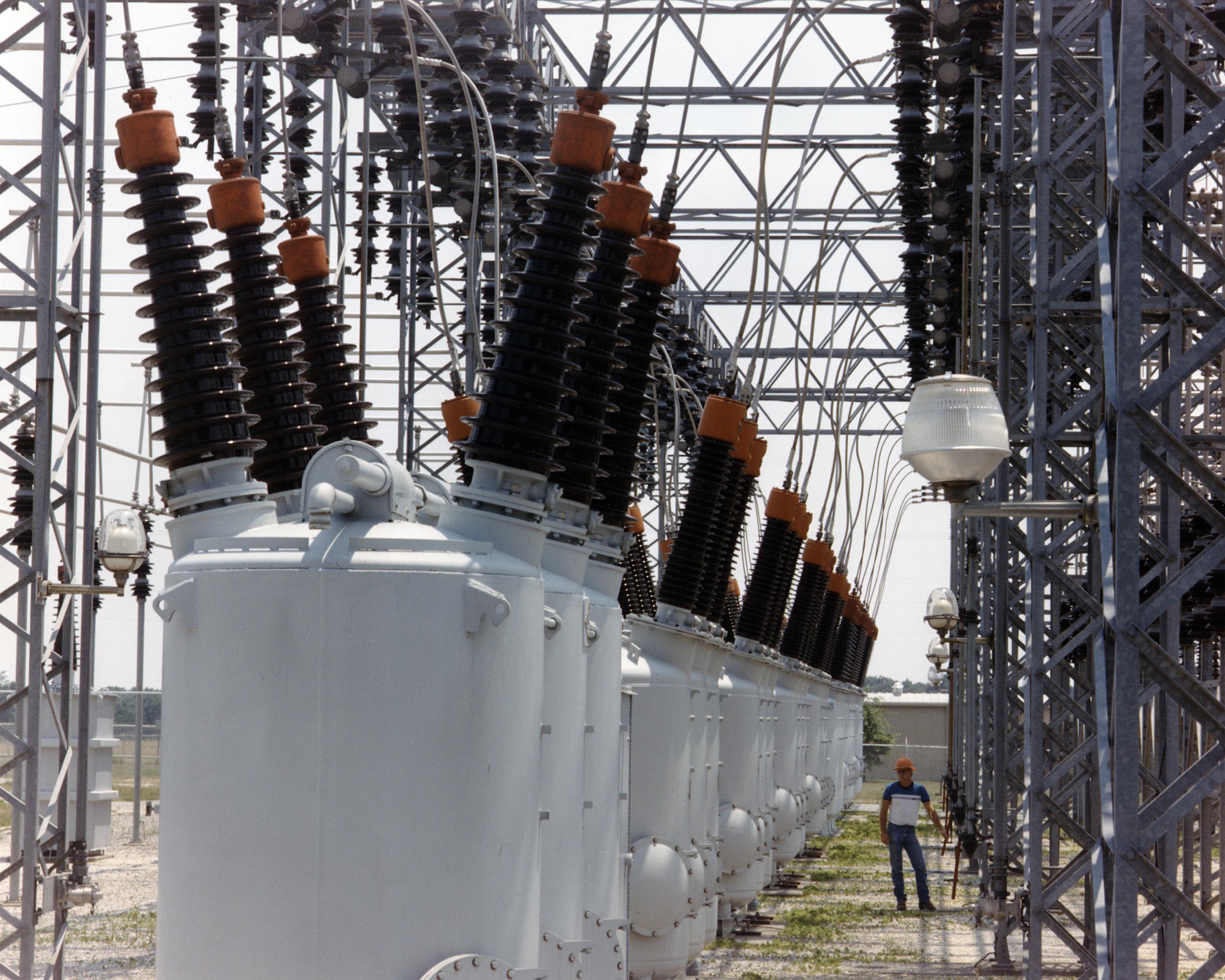
The potential benefit reaches beyond technology companies. Electricity, water and transport depend on software, including systems that cannot simply be switched off for an update. Finding a weakness is valuable only if someone can check it, decide what matters and make a repair safely.
What is starting now
Anthropic’s Critical Infrastructure Defense Program will give trusted security providers frontier Claude models, on-site engineers and threat research. Founding partners include industrial specialists Dragos and Rockwell Automation alongside companies such as CrowdStrike and Accenture. Source: Axios
Several partners are already using Claude to fix vulnerabilities and help customers do the same, according to Axios’s account. Anthropic says it is beginning with a small group. Companies building security products or services for critical infrastructure can register interest. Source: Anthropic
A free scanner with a human workload
OSS Scanner is an opt-in service offering periodic security scans to core maintainers of critical open-source projects. Its reports explain potential vulnerabilities and include a suggested fix where available.
The important qualification is that reports are generated by models and sent without human review, so findings may be inaccurate. Source: Axios
Anthropic says severity ratings may be wrong. Its expectation of a true-positive rate above 90% is a company forecast, not an independently established result for the new service.
The service is intended for projects able to keep up with the findings. Anthropic says it will continue human-verified disclosures for projects that need them. Source: Anthropic
For a small software team, more alerts can mean more work. The useful outcome is a verified repair, rather than a longer queue of possible problems. That makes the maintainers’ capacity to assess reports an important part of the offer.
What would count as progress
The infrastructure effort faces a similar test. A proposed fix must suit the equipment and the service it supports. An update that looks sensible in software still needs a safe path into a working industrial system.
Axios reports that details remain unclear about how partners will safely test and deploy fixes without disrupting utility operations. Anthropic also has not specified whether the infrastructure partners will receive free model access or who will pay the computing costs. The explicit free offer is OSS Scanner.
For readers, the evidence to watch is concrete: how many reported problems are confirmed, how quickly repairs reach working systems, and whether teams can make those changes without interrupting services. Published results and independent evaluation would make the benefit easier to judge.
This is an early effort with work already underway, rather than evidence that attacks have been prevented. Its promise is practical: give experienced defenders more help, then measure whether that help makes essential services more reliable.
How we know2 sources · checked 2026-10-08 · no corrections
Original sources
- Introducing the Anthropic Cyber Mission ↗ · institution
- Exclusive: Anthropic’s new plan to protect critical infrastructure · Axios ↗ · report
Institutions: Anthropic · Dragos · Rockwell Automation · CrowdStrike · Accenture
- Maturity
- Emerging
- Event date
- 2026-10-08
- Source published
- 2026-10-08
- Captured
- 2026-10-08
- Last source review
- 2026-10-08
- Editorial method
- AI-assisted source review
- Place / relevance
- Critical infrastructure · unspecified
Bright compared this account with the linked original and supporting sources and kept reported, budgeted, projected, and observed claims distinct. Bright did not independently audit the underlying records.
Maturity describes the tested or operational setting. Confidence describes support for the particular claim; one does not determine the other.
Revision & correction history
2026-10-08T20:24:17.585Z · Anthropic’s new Cyber Mission offers help to infrastructure defenders and free opt-in scans for core open-source maintainers. Its value will depend on confirmed findings and safely deployed repairs.
No corrections recorded.