
Brera puts AI glasses to a practical test for blind museum visitors
A free, reservation-only glasses service connects eight paintings with carefully prepared audio. The promise is easier access to art, with visitor benefits still to be measured.
- Maturity
- Experimental, stage 1 of 4
- Support
- 4 sources · institution
- Evidence detail
- How we know ↓
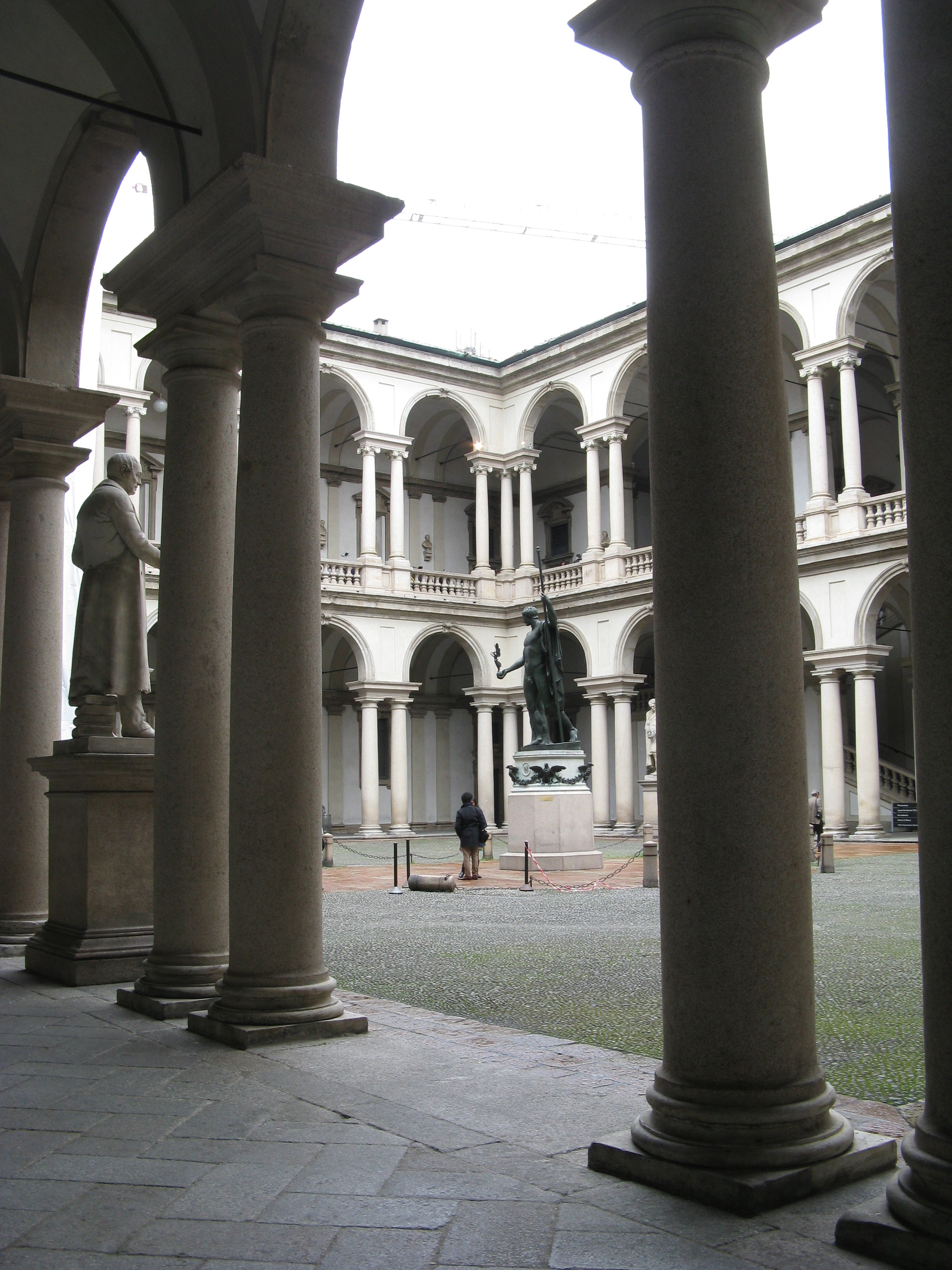
Milan’s Pinacoteca di Brera has opened an accessibility pilot that lets blind and low-vision visitors use AI glasses to identify selected paintings and hear their descriptions. Sensing Art began on 13 October 2026, according to the museum. It adds a hands-free way into an existing eight-work itinerary, with glasses available to borrow free by reservation. Museum announcement
The most interesting part is what the technology leaves intact. Brera already has an accessibility resource called DescriVedendo, developed with the Associazione Nazionale Subvedenti, or ANS. Its descriptions are written collaboratively and go through repeated review by volunteer validators before certification for clarity and precision. They are available through the museum’s app and other formats, without requiring glasses. DescriVedendo at Brera
For a visitor, the new step is accessing that material from the frames. Meta says users can trigger artwork recognition, then listen through open-ear speakers. The Grande Brera app supplies the corresponding audio; short recordings help with orientation between works. Optional features include questions to Meta AI about the surroundings and human assistance through Be My Eyes. These are separate from the prepared tour content. Meta’s account of the pilot
That distinction matters. An automatically generated account of a painting would need to be checked for invented details and misleading interpretations. Here, the central design preserves an editorially developed description and changes the route to it. The opportunity is to reduce the effort of finding and playing the right material, rather than ask visitors to trust a fresh AI description each time.
There is also a useful lesson for other cultural institutions: good accessibility content remains valuable as interfaces change. A wearable device can build on that work. It cannot establish the quality of an experience simply by being newer than a phone or audio guide.
Brera, Meta and EssilorLuxottica developed the pilot with ANS, the Italian Union of the Blind and Partially Sighted, and the Milan Institute for the Blind Foundation. Their press material describes consultation and testing, but supplies no controlled comparison, participant count or quantified improvement in independent visiting. Those omissions leave a clear boundary around the news: a real service has opened, while its effectiveness remains to be established. Museum press release
A useful evaluation would ask whether visitors can reliably select the intended work, recover from recognition errors and choose the pace of their visit. It should also compare the glasses with the existing app, and report where people prefer either option. These are Bright’s suggested tests, not results reported by the partners.
The practical limits are straightforward. Glasses are offered Tuesday through Friday, 10am to 4:30pm, with advance booking. The museum currently lists the DescriVedendo material in Italian, with English planned. Free borrowing should not be confused with a promise of free admission for every visitor. Current visitor information
For now, Brera offers something concrete to try and a sensible question to answer: can familiar, carefully prepared cultural material become easier to reach when the interface moves off a screen? The pilot’s value will become clearer through the experiences of the people it is meant to serve.
What was shown, and what wasn’t
Shown
According to Brera, Sensing Art began on 13 October 2026, offering free, reservation-only glasses borrowing for an existing eight-work itinerary.
Not shown · limits
- Partner materials report consultation and testing but no controlled comparison, participant count or quantified improvement in independent visiting.
- No measured recognition accuracy, safe independent navigation or guaranteed accessibility is established.
- The museum lists Italian material, with English planned; glasses borrowing requires advance booking and does not imply free admission for every visitor.
- Bright’s interface analysis and proposed evaluation criteria are suggestions, not reported results.
Bright editorial interpretation
A hands-free interface could make carefully prepared accessibility content easier to reach; visitor benefits remain to be measured.
Still open
How reliably do visitors select the intended work and recover from recognition errors?
When do visitors prefer the glasses or the existing app?
How we know4 sources · checked 2026-10-16 · no corrections
Original sources
- Museum announcement ↗ · institution
- DescriVedendo at Brera ↗ · institution
- Meta’s account of the pilot ↗ · institution
- Museum press release ↗ · institution
Institutions: Pinacoteca di Brera · Meta · EssilorLuxottica · Associazione Nazionale Subvedenti · Italian Union of the Blind and Partially Sighted · Milan Institute for the Blind Foundation
- Maturity
- Experimental
- Event date
- 2026-10-13
- Source published
- 2026-10-13
- Captured
- 2026-10-16
- Last source review
- 2026-10-16
- Editorial method
- AI-assisted source review
- Place / relevance
- Milan, Italy · deployment-location
Bright compared this account with the linked original and supporting sources and kept reported, budgeted, projected, and observed claims distinct. Bright did not independently audit the underlying records.
Maturity describes the tested or operational setting. Confidence describes support for the particular claim; one does not determine the other.
Revision & correction history
2026-10-16T09:45:02.265Z · Initial source-checked account of Brera’s Sensing Art pilot, with limits on reported visitor outcomes and an archival location photograph.
No corrections recorded.