
GSK expands Chai collaboration after testing AI-designed proteins
A reported laboratory evaluation offers an early look at how computer-designed molecules could enter drug research.
- Maturity
- Emerging, stage 2 of 4
- Support
- 4 sources · institution
- Evidence detail
- How we know ↓
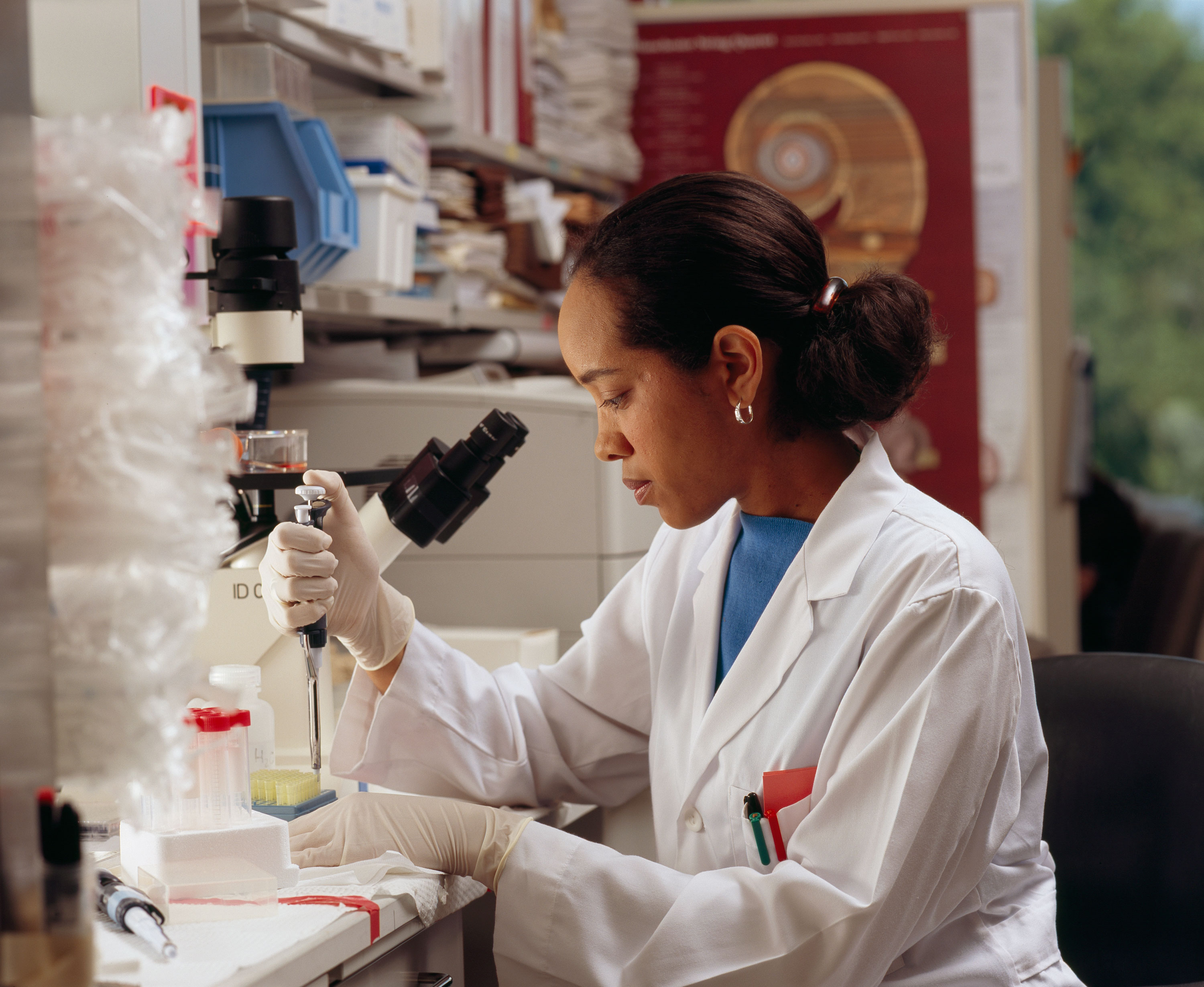
Chai Discovery announced a collaboration with GSK on October 9 after the pharmaceutical company tested its AI-generated designs in its own laboratories. GSK will gain access to Chai’s protein-folding and design models for discovery work across its pipeline.
According to the announcement, Chai generated designs for GSK’s targets without training specifically on those targets, an approach called “zero-shot.” GSK’s experiments found molecules that bound to every target tested. The release does not disclose how many targets or designs were tested, detailed methods or numerical success rates. Those missing details limit what outsiders can conclude from the result. Company announcement
What a laboratory hit means
A binder is a molecule that attaches to another molecule. For researchers, finding one can provide a starting point for further experiments: what happens after it attaches, and could that interaction become useful?
The distinction matters for anyone wondering when AI-designed medicines might reach their pharmacy. A computer proposes a design. Scientists make and test it. A promising candidate then needs extensive investigation into what it does, how it behaves in the body, suitable doses and possible harm. Human studies and regulatory review come later. The FDA’s drug-development overview explains that progression.
The practical opportunity is to give researchers useful candidates to investigate. Whether that eventually produces better medicines depends on the evidence gathered at each subsequent step.
What to watch next
This account comes from Chai’s announcement, including comments from GSK. It reports an internal evaluation, without independently published validation or patient outcomes.
Useful next evidence would include the testing methods, numbers of designs assessed and results showing what the molecules actually do after binding. Those details would help readers judge how reproducible and useful the approach is.
For more on the research behind protein design, read Bright’s report on UW’s expanded computing capacity.
Follow developments like this with Bright Weekly, free each week.
How we know4 sources · checked 2026-10-09 · no corrections
Original sources
- Chai Discovery announces GSK collaboration · company-issued Business Wire release via StreetInsider ↗ · institution
- The Drug Development Process · FDA ↗ · institution
- Step 1: Discovery and Development · FDA ↗ · institution
- Ligands · NLM MeSH ↗ · institution
Institutions: Chai Discovery · GSK
- Maturity
- Emerging
- Source published
- 2026-10-09
- Captured
- 2026-10-09
- Last source review
- 2026-10-09
- Editorial method
- AI-assisted source review
- Place / relevance
- Drug discovery laboratories · unspecified
Bright compared this account with the linked original and supporting sources and kept reported, budgeted, projected, and observed claims distinct. Bright did not independently audit the underlying records.
Maturity describes the tested or operational setting. Confidence describes support for the particular claim; one does not determine the other.
Revision & correction history
2026-10-09T17:35:05.459Z · Same-day science brief with laboratory-result limits and drug-development context.
No corrections recorded.
Keep exploring
Explore the shared question in another setting. These connections do not imply replication.